
Coastal Herb Terrace
Low-water culinary herb beds with drip irrigation and mulched pathways.
Edible landscapeWest Coast Meds presents a portfolio of sustainable gardening projects and blog insights. Our practice blends organic methods, native plants, and mindful design to foster thriving ecosystems along the coast.

A curated selection of our garden installations, edible landscapes, and soil-first approaches.
Low-water culinary herb beds with drip irrigation and mulched pathways.
Edible landscape
Season-extending greenhouse with organic propagation methods.
Propagation
Native perennials to support bees, butterflies, and birds.
Ecology
Healthy soil foundations through composting and cover crops.
Soil health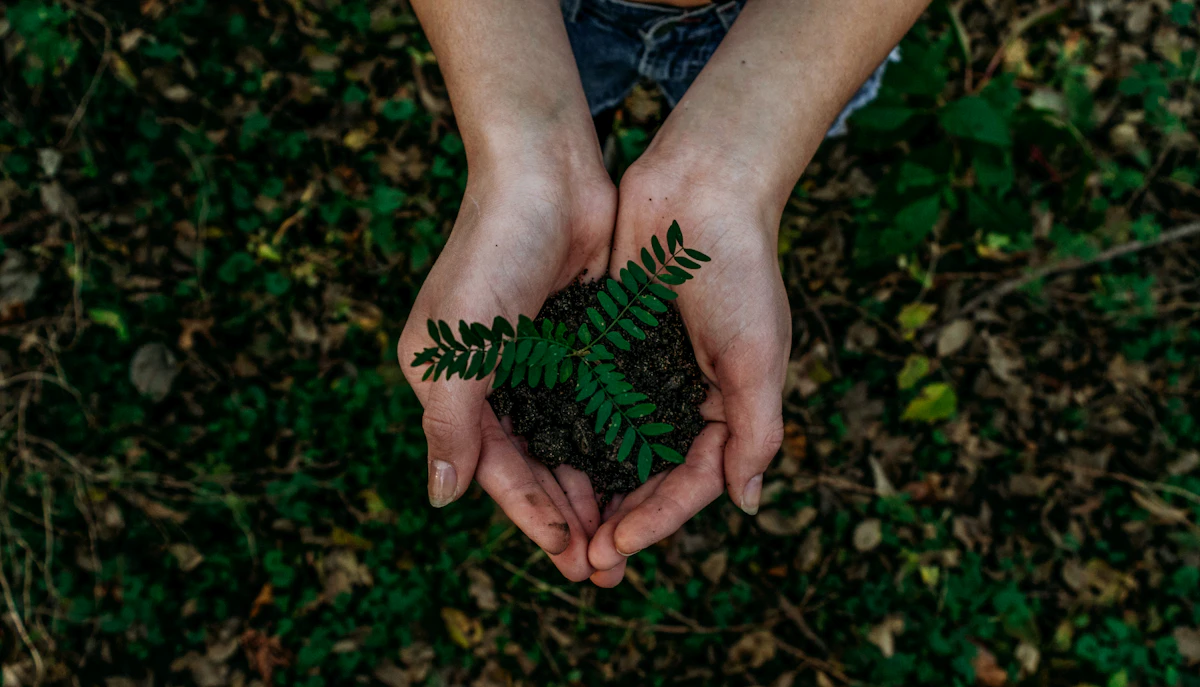
Raised beds with wind protection and salt-tolerant plantings.
Sustainable design
Courtyard oasis designed for home produce and pollinator comfort.
Urban farmingNotes on organic farming, soil stewardship, and coastal gardening practices.

Understanding compost, green manures, and nutrient balance for thriving beds.

Rain capture, mulch strategies, and efficient irrigation for drier seasons.

Selecting resilient natives that support pollinator networks year-round.
For collaborations, consultations, or speaking engagements on sustainable organic farming.